Why Resting Makes Food Taste Better?
Many of the world’s best dishes have one thing in common. They often taste better when they’ve been allowed to rest. Whether it’s freshly baked bread, a pot of stew, a grilled steak, or our favorite, pizza, letting it rest can greatly improve its flavor, texture, and overall enjoyment. Let’s find out why resting makes food taste better.
Why Resting Makes Food Taste Better
Temperature affects how we perceive taste. Very hot food can overwhelm our taste buds, making it difficult to detect subtle flavors. When food cools down a bit during rest, it becomes easier to distinguish sweetness, sourness, bitterness, and salty nuances. This is one reason why many foods taste more complex after a short waiting period.
When food is cooked, heat spreads moisture, fats, and flavors throughout the dish. Right after cooking, these ingredients are often still unevenly distributed. Resting time allows them to settle and spread more evenly, creating a more balanced flavor in every bite. The aromatic compounds in herbs, spices, vegetables, and proteins continue to interact even after cooking is finished. As a result, the flavors have time to blend and become more complex. This makes eating food much more enjoyable.
How Resting Improves Taste and Texture?
Think of a steak straight from the grill. During cooking, the heat drives the liquid toward the center of the meat. If you cut the steak right away, much of the liquid will drain onto your plate. Resting time gives the meat time to redistribute the liquid, resulting in a more tender and flavorful bite.
Casseroles and stews only get better when they are given time. Resting time helps flavors meld together, resulting in a more consistent and flavorful dish. It also allows ingredients to settle, making it easier to serve neatly.
Have you tried slicing bread right after baking, or cutting a bun in half. It’s almost impossible. Fresh bread straight from the oven may seem irresistible, but cutting it too soon can make the insides go soggy. As the bread cools, the moisture redistributes and the crumb structure stabilizes, improving texture.
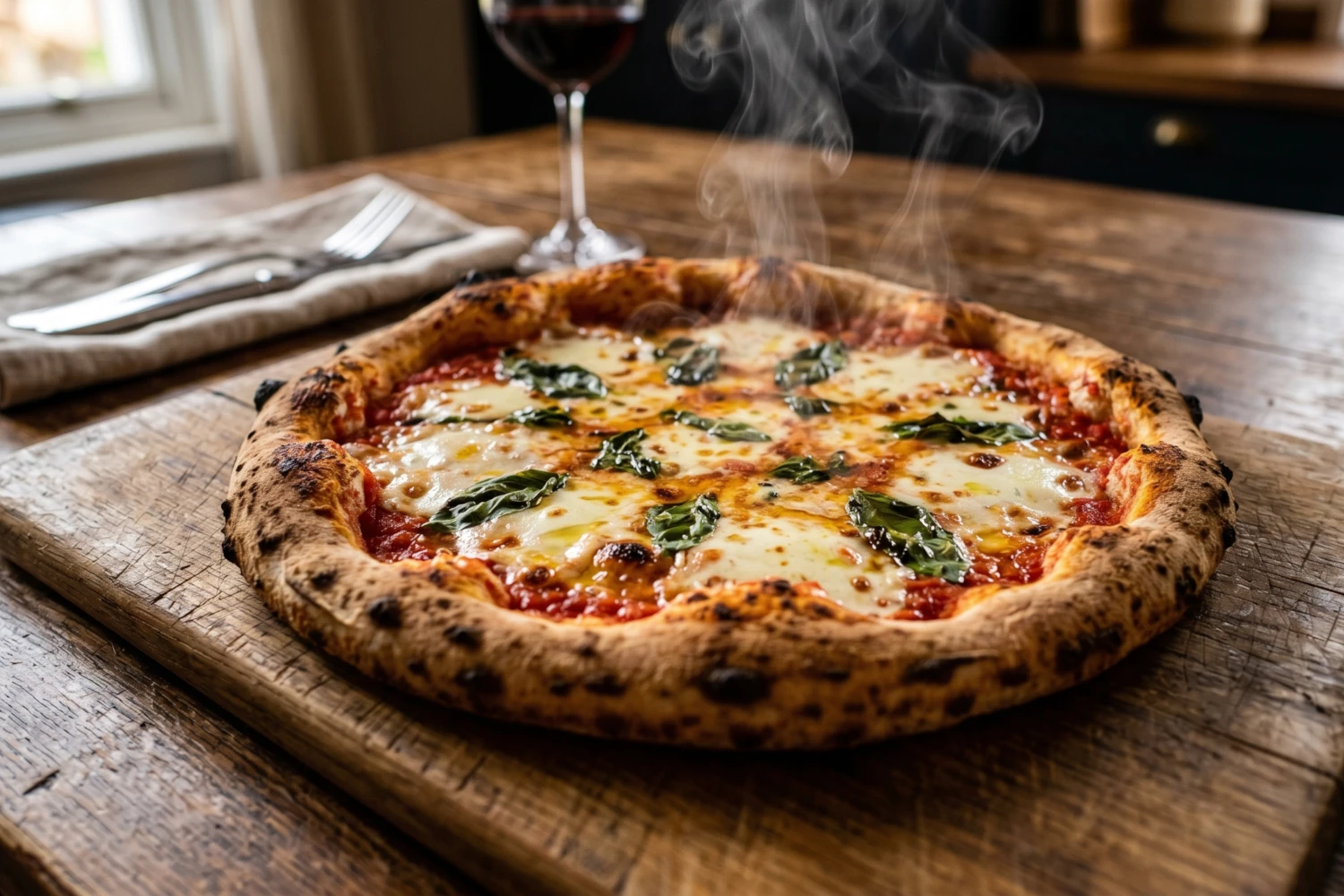
And what about pizza. Doesn’t it taste much better if you let it rest a short moment after baking. This is because the resting time allows the flavors to meld and develop more fully. Additionally, as the pizza cools slightly, the cheese and toppings can set in a way that improves the texture and flavor. Resting time also helps the crust become crispier if it’s freshly baked, and it reduces excess moisture, making each bite more balanced and satisfying. Overall, resting time allows the ingredients to balance out, resulting in a tastier and more enjoyable eating experience.
The Magic of Time
How long should you let the food rest? The purpose is to let the food cool down a bit, let the flavors meld, and let any excess moisture evaporate. The ideal resting time after frying varies depending on the type of food.
Meat (roast, steak)
- Roast, steak
- Resting time about 10-20 minutes
- Allows the liquid to distribute evenly, making the meat juicier and more tender
- Smaller pieces of meat will take about ten minutes, larger roasts may need about 20 minutes
Pasta (cooked)
- Resting time about 2-5 minutes (off the heat)
- A short rest period prevents sticking and allows the flavors to meld if used with a sauce
Casseroles and Stews
- Resting time about 5-15 minutes
- Improves the fusion of flavors and helps the ingredients settle, making it easier to serve
Bread
- Resting time about 10-30 minutes
Pies and Pastries
- Resting time about 15-30 minutes
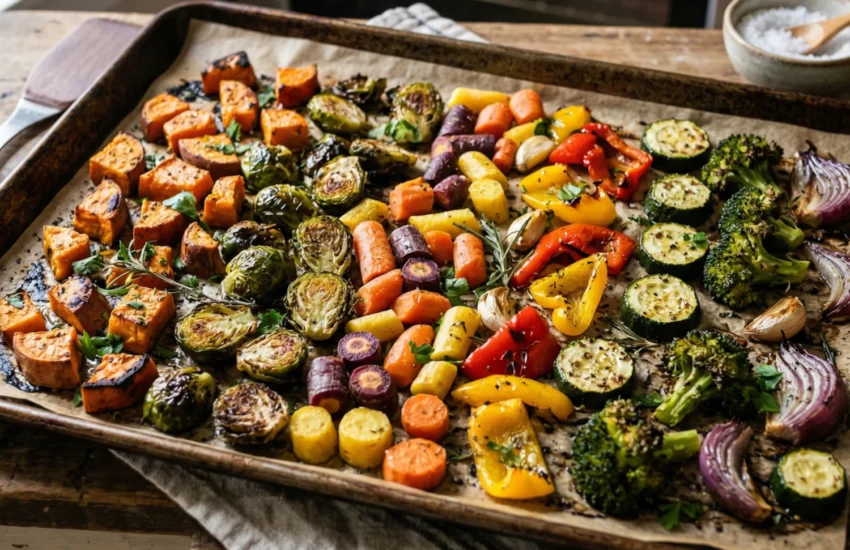
Roasted Vegetables
- Resting time about 5-10 minutes
- Resting allows the flavors to deepen and makes it easier to handle
Pizza
- Resting time about 2-3 minutes (thin pizzas)
- About 5 minutes for thick pizzas
Some foods improve even more dramatically after several hours or even overnight. For example, chilies, stews, sauces, and braised dishes often taste better the next day because their ingredients have had additional time to interact. This process allows flavors to deepen and mellow, reducing sharp edges while improving fullness.
Conclusion
Resting food is more than a culinary tradition; it’s a proven technique that improves flavor, texture, and overall edibility. By allowing ingredients and liquids to settle and interact, resting turns good food into extraordinary. Sometimes the final ingredient in a great meal is simply patience 🙂