How to Make Pizza Less Spicy?
A little bit of heat can make a pizza delicious, but sometimes a few too many jalapeños, a generous drizzle of chili oil, or a sauce that’s too hot can push things past enjoyable. If you’re worried that your pizza is a little too spicy for your taste, what can you do? Here are some tips how to make pizza less spicy.
Why Does Pizza Taste Spicy?
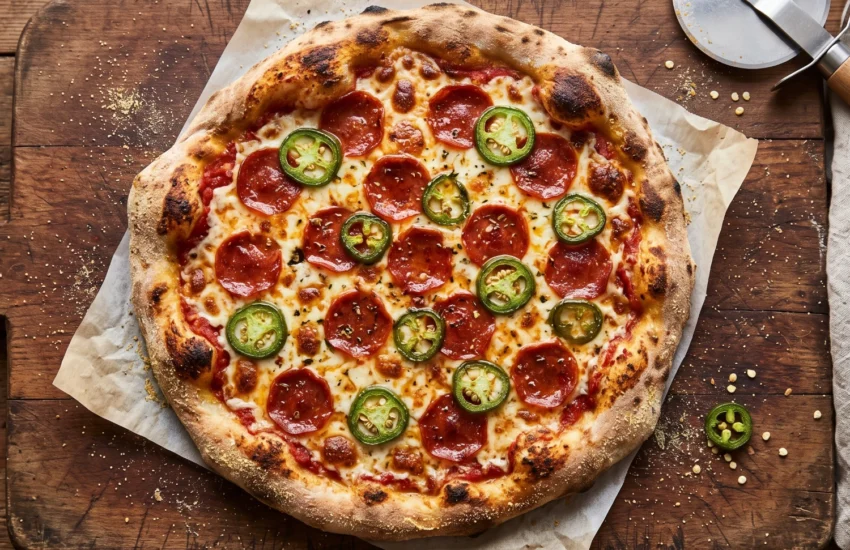
Several ingredients can make a pizza spicy. The most common are spicy sauces, such as chili sauce, chili oil, or spicy marinara sauce, which add heat to every bite. Chili powders sprinkled on top of or mixed into the sauce also add fiery flavors. Spicy meats, such as pepperoni, chorizo, or spicy sausage, add heat and boldness to a pizza. Additionally, fresh chiles, such as jalapeños or habaneros, can be sliced and added to the toppings for extra heat. Some cheeses are flavored with chilies or spices, which accentuates the heat with every bite. Spices, such as cayenne pepper or paprika, can be sprinkled on the dough or toppings to enhance the spicy flavor. Overall, combining these ingredients and toppings allows for customizable heat, giving your pizza a delicious spicy profile. But what if your pizza is getting too spicy?
How to Make Pizza Less Spicy
Whether you’re making pizza at home or trying to rescue one that’s already too spicy, don’t worry. There are simple techniques that can help to solve the situation. For example, you can tone down the flavor of a hot pizza by balancing the heat with creamy, savory, sweet, and sour ingredients. Here are 10 tips.
1. Remove Some of the Spicy Toppings
The simplest solution is also the most obvious: use less spicy toppings. Remove some of the jalapeños, serranos, habaneros, chili peppers, or hot sausages before baking. If the pizza is already cooked, you can pick out some of the larger pieces of chili or bell pepper.
2. Add More Mild Toppings
Another simple strategy is to increase the amount of non-spicy toppings. This spreads the spicy ingredients over a larger amount of food, reducing the heat of each bite. If your pizza has a huge amount of jalapeños, adding extra cheese, vegetables, or another layer of toppings can make a significant difference.
Try adding:
- Mushrooms
- Bell peppers
- Tomatoes
- Onions
- Mozzarella
- Olives
3. Choose Milder Peppers
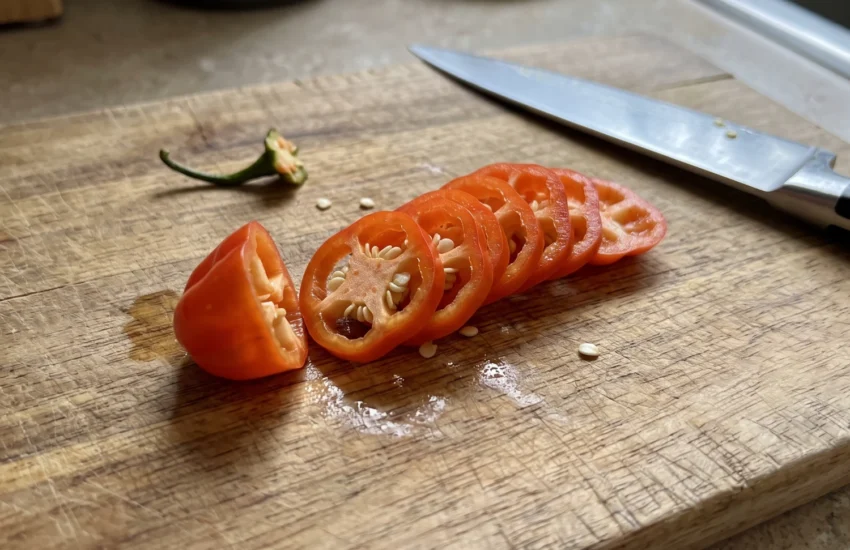
When making pizza at home, you can control the heat by choosing milder peppers. However, keep in mind that the heat of individual peppers can vary, so the same variety may not always taste exactly the same. Removing the inner membranes from fresh peppers can also reduce the burn from the peppers.
For a gentle kick, consider:
- Banana peppers
- Pepperoncini
- Mild jalapeños
- Mild cherry peppers
4. Add More Cheese
Cheese is one of the easiest ways to balance out a hot pizza. Adding mozzarella, cheddar, Monterey Jack, or another mild cheese will add richness to the pizza and help tone down the heat of the chili. If you’re making the pizza from scratch, you can simply add a little more cheese before baking. If the pizza has already come out of the oven, a small amount of cream cheese can help balance out the spiciness.
5. Add a Creamy Ingredient
Creamy ingredients are great for balancing spicy flavors. A few spoonfuls of creamy topping can change the overall balance of a pizza without having to remove all the spicy ingredients. Cream cheese is especially effective on a jalapeño pizza.
Try adding:
- Cream cheese
- Ricotta
- Burrata
- Sour cream
- Ranch dressing
- Plain yogurt-based sauce
6. Add Something Sweet
Sweet flavors can create a strong contrast with spicy ingredients. For example, pineapple and jalapeño are a particularly effective combination. The sweetness and acidity of the pineapple act as a counterbalance to the hot flavor of the chili.
Try adding a small amount of:
- Pineapple
- Hot honey
- Regular honey
- Caramelized onions
- Roasted sweet peppers
7. Add an Acidic Ingredient
Acidity can help change the overall flavor balance of a spicy pizza. But be careful not to add too much liquid. A soggy pizza is a separate problem and will be significantly less delicious.
Try small amounts of:
- Lemon juice
- Lime juice
- Pickled vegetables
- Mild tomato-based toppings
8. Use a Mild Sauce
If you’re making your own pizza, choose a sauce without chili. A simple tomato sauce can help keep the heat in check. Avoid adding cayenne pepper, chili flakes, hot sauce, or spicy chili oil to the sauce if you’re already using spicy toppings. For BBQ pizza, choose a mild BBQ sauce rather than a very spicy option.
9. Balance Spicy Meat With Mild Ingredients
Hot sausage, chorizo, and pepperoni can make a pizza significantly hotter. Instead of combining several hot meats, choose one and surround it with milder ingredients. For example, combine hot sausage with mozzarella, mushrooms, onions, and a mild tomato sauce. This way, you get the flavor of the sausage without having to stack multiple heat sources on top of each other.
10. Add More Crust (to Each Bite)
If you’ve made a pizza that’s much hotter than expected, try adding crust to each bite. For example, cut the pizza into smaller portions and eat each spicy bite with a piece of plain crust. This doesn’t remove the spiciness, but it reduces the concentration of spicy toppings relative to the rest of the food.
How to Make Pizza Less Spicy After Baking
If your pizza is already out of the oven and too spicy, you may not be able to completely eliminate the heat, but you can make it much more balanced. One effective way is to add dairy-based ingredients, such as a dollop of sour cream, ranch dressing, or a sprinkle of grated cheese, as the fats and proteins in dairy products can help neutralize some of the heat. Additionally, adding milder ingredients, such as extra cheese, tomatoes, or olive oil, can help tone down the heat. If the heat is concentrated in certain areas, eliminating or reducing hot toppings, such as chilies or spicy sausage, can also help.
Try these tricks:
- Remove some of the visible chili peppers
- Add a creamy ingredient like ricotta cheese or mild cheese
- Add a sweet element like a little honey or pineapple
- Serve with a cooling dip like ranch dressing or a yogurt-based sauce
- Eat smaller pieces with plenty of crust
What Should You Drink With Spicy Pizza?
The heat from chili peppers comes mainly from capsaicin, a compound that activates heat-sensitive receptors in the mouth. Capsaicin is not water-soluble, which is why drinking plain water usually doesn’t provide much relief from spicy food. Milk-based drinks may be more beneficial, as milk contains proteins that can help remove capsaicin from your mouth. A cold glass of milk or a yogurt-based drink may therefore be a better choice when your pizza has exceeded your desired level of spiciness.