How Roasting Improves the Flavor of Vegetables
Vegetables have a quiet kind of potential. Raw, they can be crisp, grassy, even a little stubborn. But introduce them to a hot oven, and something almost theatrical happens. Roasting transforms vegetables from background players into rich, caramelized stars with depth, sweetness, and complexity. Roasting vegetables is a culinary technique that not only enhances their natural flavors, but also increases their nutritional value. Let’s explore how roasting improves the flavor of vegetables.
How Roasting Improves the Flavor of Vegetables
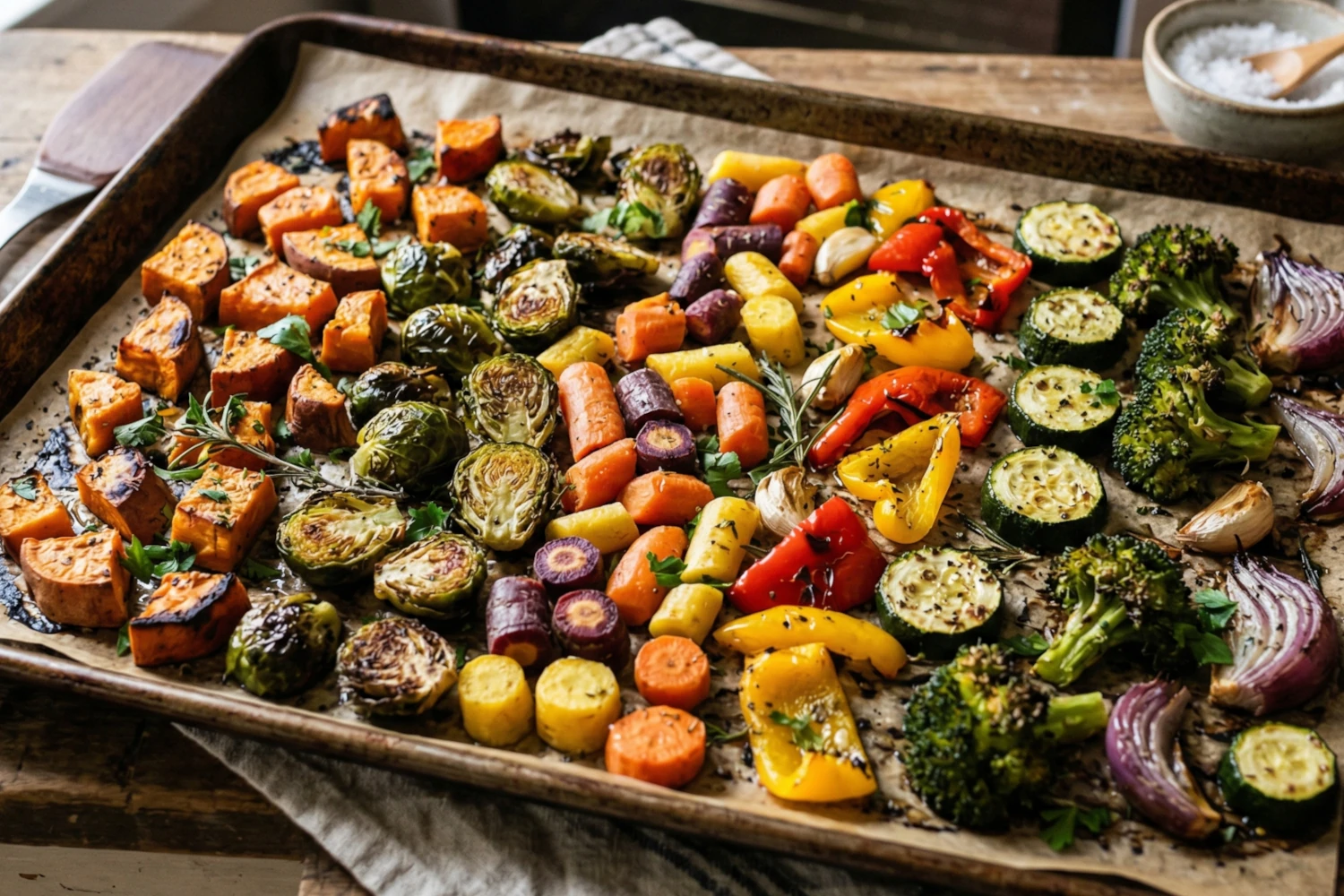
Roasting brings out a variety of flavors in different vegetables. Think sweet potatoes, which become even sweeter as they roast, or cauliflower, which takes on a nutty and savory flavor. Carrots take on a caramelized tang, while peppers transform into a tangy treat. Each vegetable has its own unique transformation, resulting in dishes that are anything but bland.
What is the Maillard Reaction?
At the heart of roasting lies a bit of culinary alchemy known as the Maillard reaction. When vegetables are exposed to high heat, the natural sugars and amino acids within them begin to react, creating hundreds of new flavor compounds. When you roast vegetables, the Maillard reaction kicks in, and suddenly broccoli isn’t just a green snack anymore. It turns into a tasty treat that will make your taste buds dance!
How It Affects Taste and Aroma
Unlike boiling or steaming, which can dilute flavor by introducing water, roasting removes moisture. As water evaporates, flavors become more concentrated. A carrot becomes sweeter. A broccoli floret develops crisp, almost smoky tips. Even humble potatoes take on a richer, more complex character. The Maillard reaction not only enhances flavor, but also adds an enticing aroma that can make your kitchen smell like a gourmet restaurant. The combination of flavor and aroma helps create a more complex and intriguing flavor profile. This is no longer food, it’s an experience.
Nutritional Benefits
Contrary to popular belief, roasting can actually preserve nutrients better than some other cooking methods, like boiling. The high heat helps to lock in water-soluble vitamins and minerals, so your veggies don’t just look good; they’re packed with nutrition, too! It’s a win-win: you get delicious flavors while still reaping the health benefits. Who knew that roasting could be your new secret weapon?
Benefits of Roasting
Raw vegetables may have their crunchy appeal, but roasting them can improve their bioavailability. This means your body absorbs the nutrients better. Some research suggests that roasting can increase the levels of certain antioxidants. These little defenders fight free radicals in your body, which are basically the bad guys of this documentary. So when you roast these vegetables, you’re adding a health boost that will keep you in tip-top shape.
What Vegetables are Great for Roasting
When it comes to roasting, some vegetables are better choices than others. Use firm vegetables like broccoli, carrots, Brussels sprouts, and bell peppers. Starchy vegetables like potatoes and sweet potatoes also roast beautifully, turning golden brown and caramelized. Just remember, the more colorful your choice, the more antioxidants you’re likely to get. The more colorful, the better.
Seasonal Considerations
In winter, root vegetables like parsnips and beets are perfect for roasting, while in summer, zucchini and eggplant are popular. In-season produce is usually fresher and tastier, so be sure to check out what’s available at stores and markets.
Combining Different Vegetables
Mix up different vegetables creatively. Roasting different vegetables together can create a symphony of flavors and textures. Just remember to keep the cooking times similar, otherwise you’ll end up with a mushy mess. If you want to combine quick-roasting vegetables like asparagus with longer-roasting vegetables like potatoes, cut the latter into smaller pieces.
The Role of Fat and Seasoning
Roasting usually involves a light coating of oil, which serves several purposes. Oil helps to conduct heat evenly, promotes browning, and adds its own subtle richness. It also acts as a carrier for seasonings, allowing salt, herbs, and spices to adhere to the surfaces of the vegetables. Simple seasonings often work best. Salt enhances natural flavors, while herbs like thyme or rosemary can add aromatic depth.
Great Vegetables for Roasting
- Carrots (roast about 25-30 minutes in the oven)
- Potatoes (roast about 45-50 minutes in the oven)
- Brussels Sprouts (roast about 20-25 minutes in the oven)
- Cauliflower (roast about 25-30 minutes in the oven)
- Broccoli (roast about 15-20 minutes in the oven)
- Sweet Potatoes (roast about 30-35 minutes in the oven)
- Bell Peppers (roast about 20-25 minutes in the oven)
- Zucchini (roast about 15-20 minutes in the oven)
- Asparagus (roast about 10-15 minutes in the oven)
- Eggplant (roast about 25-30 minutes in the oven)
- Mushrooms (roast about 15-20 minutes in the oven)
- Onions (roast about 25-30 minutes in the oven)
- Parsnips (roast about 30-35 minutes in the oven)
- Green Beans (roast about 10-15 minutes in the oven)
- Cherry Tomatoes (roast about 10-15 minutes in the oven)
Why Roasting Wins Hearts
The combination of heat and caramelization brings out a depth of flavor that raw or steamed vegetables often lack, making them more appealing and satisfying. Roasting doesn’t just cook vegetables; it elevates them. It turns everyday produce into something comforting, complex, and deeply satisfying. For those who think they don’t like vegetables, roasting often changes the narrative entirely.
The Texture
Flavor is only part of the story. Roasting also creates a dynamic contrast in texture. The outside becomes crispy and slightly charred, while the inside remains tender and soft. This duality adds interest to every bite. Think of a roasted cauliflower floret: its edges crackle lightly under your teeth, while the inside feels creamy and warm.
Caramelization
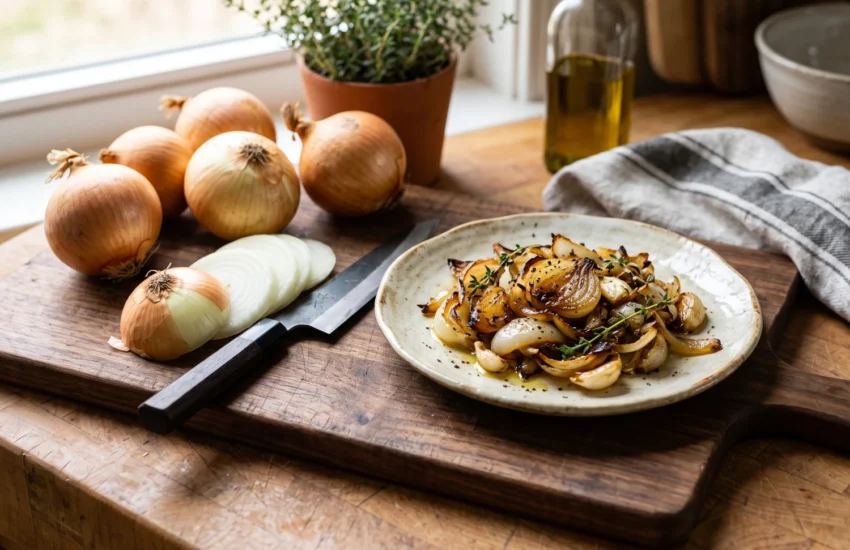
Many vegetables naturally contain sugars, and roasting brings these sugars to the surface. As the heat increases, these sugars caramelize, deepening their color and flavor. This is why roasted onions taste almost jammy, and roasted peppers become silky and sweet rather than tangy. This caramelization not only adds sweetness, but it also balances out bitterness. Vegetables like Brussels sprouts or eggplant, which can taste a little bitter when raw or undercooked, soften beautifully, becoming creamy and warm in the oven. This contrast makes roasted vegetables more satisfying and often more delicious.